Introduction
Planning a wellness retreat can be incredibly rewarding—but it also comes with a steep learning curve. While the idea of curating a transformative experience for others is inspiring, the practical realities of budgeting, marketing, and logistics can quickly become overwhelming.
At The Shadow Sanctuary, we’ve seen firsthand how a well-executed retreat can change lives—and be financially sustainable. This guide will walk you through the key strategies to design a retreat that aligns with your values, delights your guests, and leaves you with a profit—not just great memories.
Choose the Right Venue (Hint: This Makes or Breaks Profitability)
The venue you select is one of the most important decisions you’ll make. It’s not just about aesthetics—it’s about alignment. If your space doesn’t support the wellness experience you’re trying to create, it will be felt by your guests immediately.
A profitable wellness retreat requires more than a beautiful backdrop. The venue should reflect and support your health-oriented mission. Ask questions like:
-
- Do they use non-toxic cleaning products and avoid synthetic air fresheners?
-
- Can they accommodate organic, healthy meals?
-
- Is the space designed to foster connection, reflection, and calm?
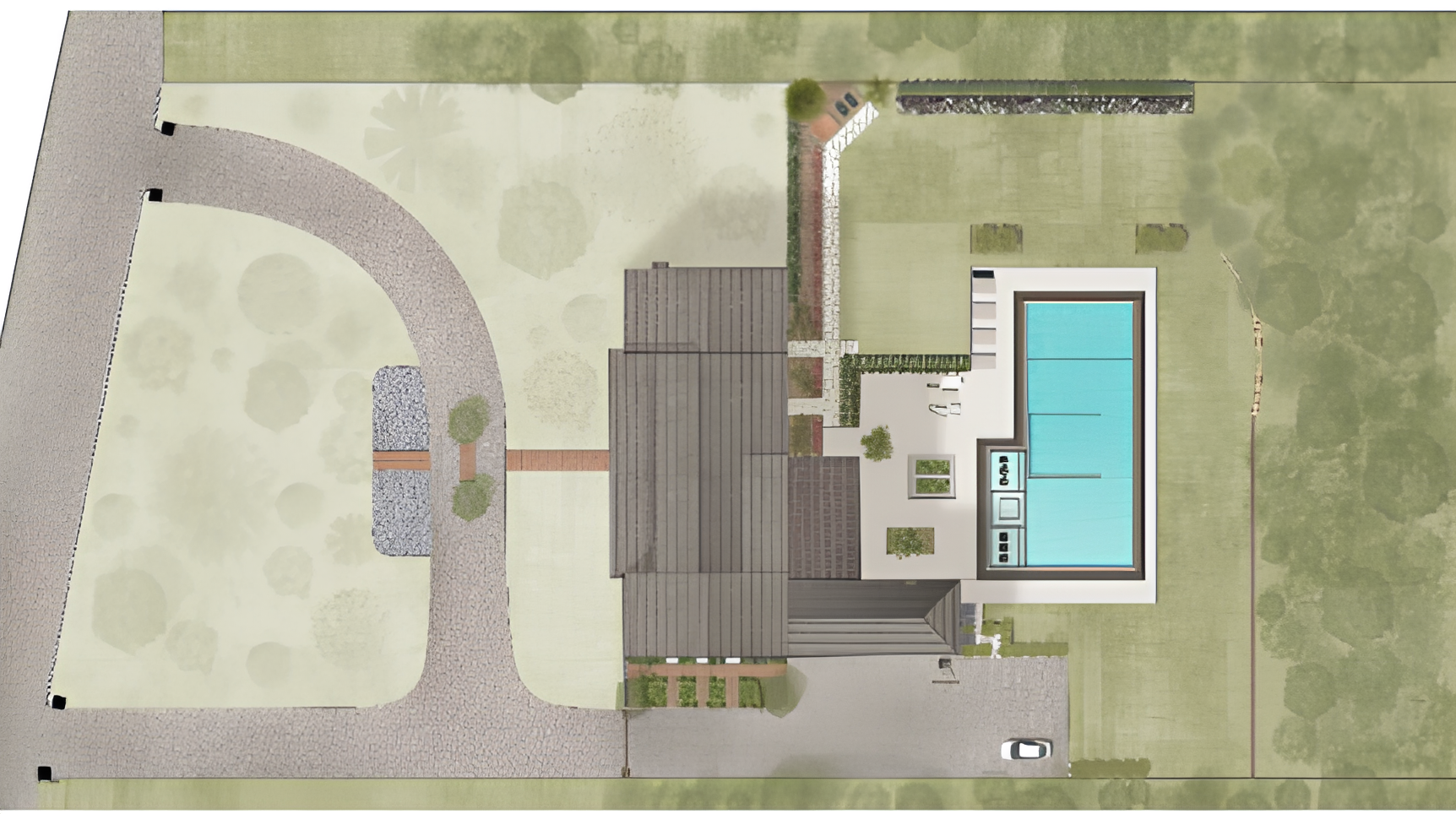
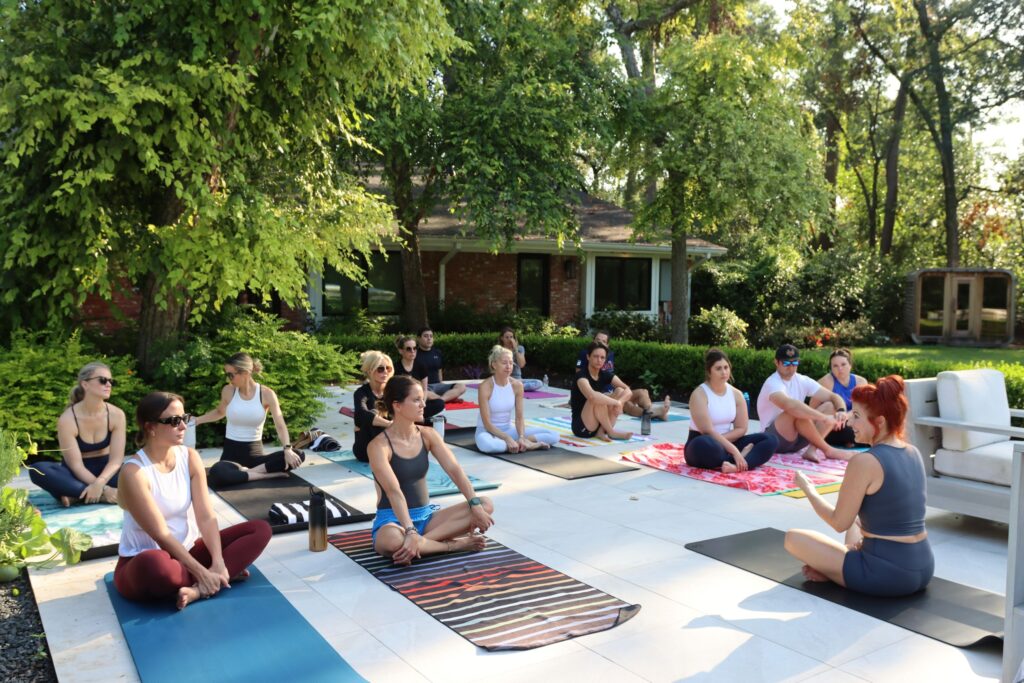
Many traditional event spaces look appealing but aren’t built with wellness in mind. At The Shadow Sanctuary, for example, we’ve intentionally designed our environment to support health and healing—clean water, natural materials, peaceful surroundings, and the ability to bring in aligned practitioners and chefs. These details create an atmosphere that feels restorative from the moment guests arrive.
If your attendees are primarily local, choosing a nearby venue also helps minimize travel costs for them and improves your margins. In large cities like Houston, many people are seeking wellness experiences that don’t require hopping on a plane. If your venue creates the right energy, you can deliver a retreat experience that feels miles away from everyday life—without leaving town.

Build a Lean, Irresistible Offer That Still Feels Premium
It’s tempting to offer everything under the sun—multiple sessions, elaborate gift bags, elaborate meals—but more isn’t always better. In fact, one of the most common mistakes new retreat planners make is overcommitting and overdelivering at the expense of profit.
Instead, start with clarity. What transformation do you want attendees to experience? Once you define that, design the simplest version of your event that can deliver that result effectively. Focus on quality over quantity.
Your pricing should reflect the real value of the experience and allow you to pay yourself fairly. A few principles that work well:
-
- Early bird pricing builds momentum and rewards action-takers.
-
- Tiered options (like a VIP experience) can significantly boost revenue.
-
- Always include a healthy margin from the start. Profit is not a bonus—it’s essential.
Multi-day retreats are especially appealing but also far more complex to execute. They can still be profitable, but only if your structure is lean and your pricing is aligned. Many hosts find that single-day events are more manageable and offer a quicker path to sustainable success.

Partner With Practitioners (Without Giving Away the Farm)
The right partners can elevate your retreat—but only if expectations are clear and aligned. Collaborating with yoga instructors, facilitators, chefs, or wellness professionals can add richness to your offering, but it’s important to evaluate how each partner contributes to the overall success of the event.
Here are a few key questions to ask:
-
- Will this person help promote the event and bring guests?
-
- Are they aligned with the retreat’s tone and values?
-
- Are roles, compensation, and deliverables clearly defined?
It’s common to see first-time planners overcompensate by giving away too much equity in the retreat to collaborators. A better approach is to define structured contributions—such as offering a flat fee, capped revenue share, or incentivizing referrals.
Another underutilized strategy is partnering with someone who already has an audience. A guest facilitator with a loyal following who commits to bringing a group of five or ten guests can make a meaningful difference to your bottom line. Always ensure these expectations are part of your agreement.
Clear communication up front protects your relationships and ensures a seamless experience for attendees.
Market Smarter (Not Harder) With a Waitlist and Content Plan
Marketing is one of the most underestimated elements of retreat planning. Many organizers spend the bulk of their time perfecting the itinerary and barely allocate time to fill the room.
Start early and build interest through genuine engagement. Begin with a waitlist, even before you finalize the full agenda. Talk to your existing audience, share behind-the-scenes content, and invite feedback on what people are looking for. This creates buy-in and builds excitement.
Here’s a simple promotional timeline:
-
- 90 days out: Announce the idea and open a waitlist.
-
- 60 days out: Launch early bird registration and share testimonials or previews.
-
- 45–30 days out: Highlight guest speakers, venue features, or sample experiences.
-
- Last 2 weeks: Use countdowns, limited spots, and referral incentives to drive action.
You don’t need an expensive ad campaign. A few well-crafted Instagram posts, email updates, and personal conversations can be far more effective when you’re working with a high-intent audience.
Your retreat should start feeling valuable before attendees arrive. Marketing is not just about sales—it’s about setting the emotional tone for what’s to come.

Manage the Money Like a Business Owner (Because You Are One)
It’s easy to focus on the creative aspects of retreat planning and put off the financial details—but your retreat is a business endeavor, and treating it that way is key to its success and sustainability.
Start by setting a clear profit goal. Work backward from there to determine your pricing and capacity needs. Factor in fixed costs (like venue, food, equipment) and variable costs per attendee. Include your own compensation—not just as a host, but as a business owner providing a high-value service.
A few best practices:
-
- Collect non-refundable deposits to protect your cash flow.
-
- Offer payment plans with clear milestones and reminders.
-
- Have a clear cancellation and refund policy in writing.
-
- Budget for contingencies so you’re not caught off guard.
It’s also wise to keep a financial checklist or dashboard to monitor income, expenses, and break-even points. If you’d like a copy of the checklist we use, feel free to contact us—we’d be happy to share it.
Conclusion: The Real Secret to Running a Profitable Wellness Retreat
Planning a profitable wellness retreat is not just about delivering a beautiful experience—it’s about doing so in a way that sustains your energy and your business. With the right venue, a well-designed offering, strong partnerships, and a smart marketing strategy, you can host an event that’s both transformational and financially rewarding.
Clarity and simplicity are your allies. Start with a clear vision of who your event is for, what you want them to walk away with, and how you can deliver that with excellence and intention.
If you’re looking for a space to bring your vision to life, The Shadow Sanctuary in Houston was created with this exact purpose in mind. From thoughtful design to wellness-friendly amenities, we’ve helped hosts create powerful events that nourish guests and generate real results.
 Contact us today to schedule a private tour or request our retreat financial planning checklist. Let’s bring your retreat to life—with impact and ease.